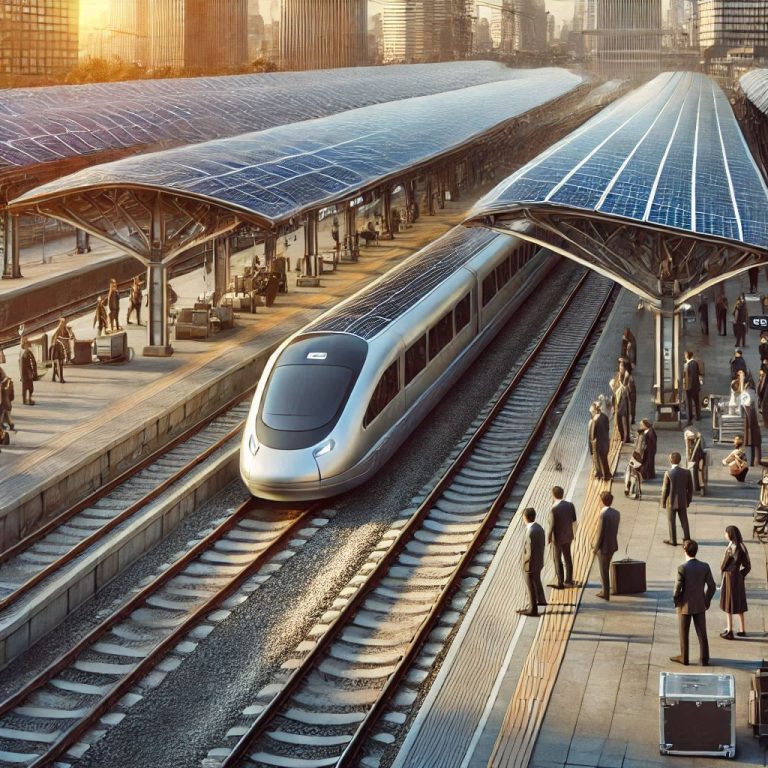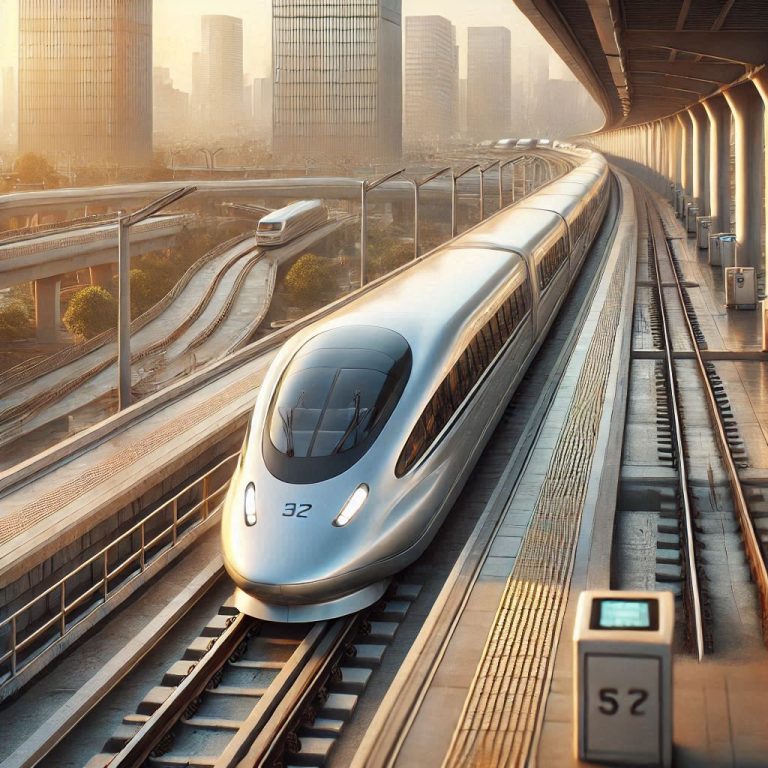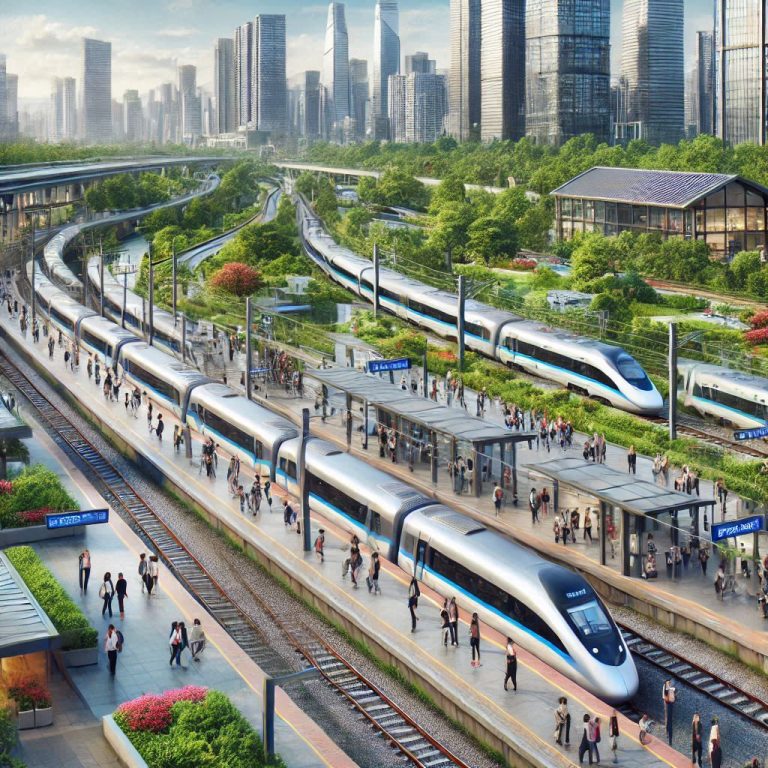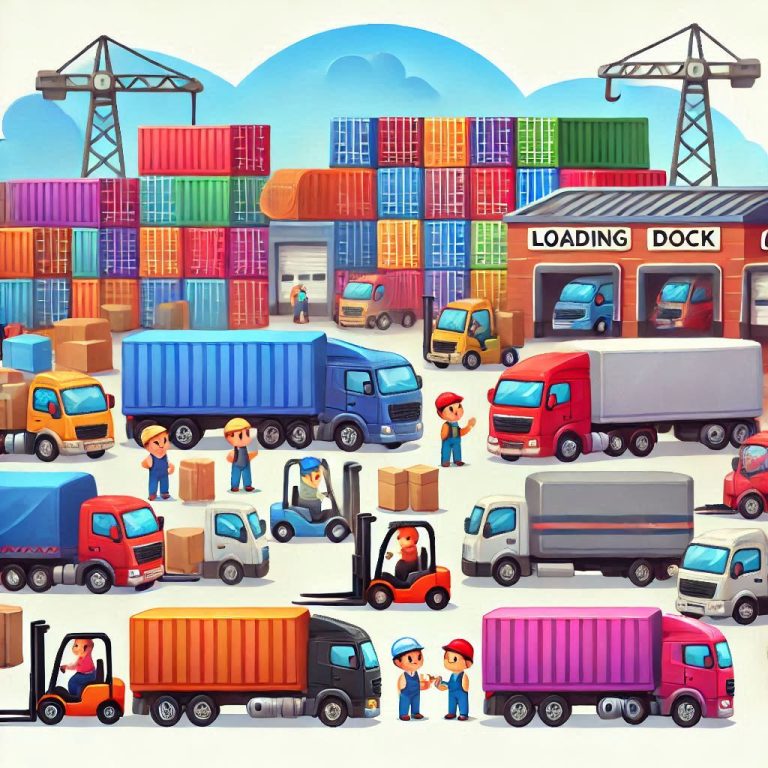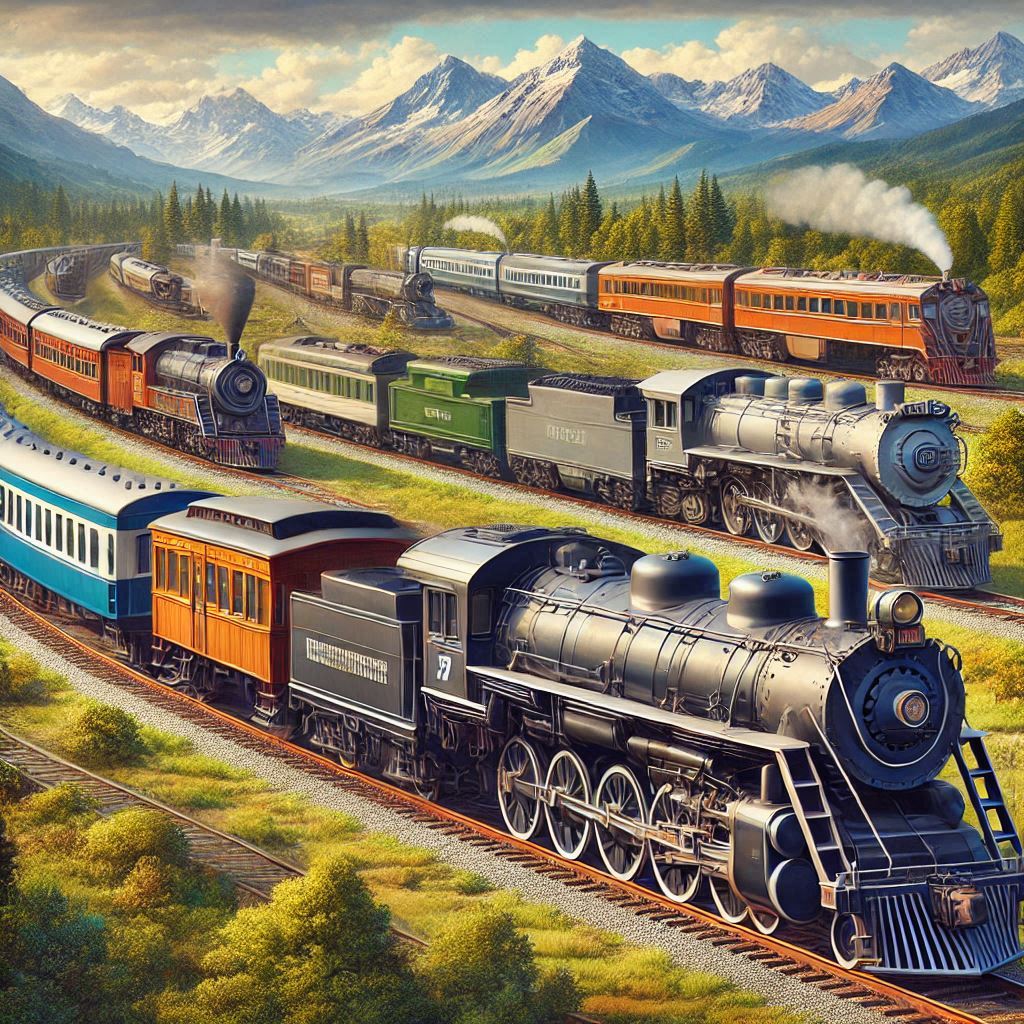
The evolution of rail transport has been one of humanity’s most transformative technological achievements, fundamentally reshaping how we move, trade, and connect across vast distances. From the steam-powered locomotives that drove the Industrial Revolution to today’s cutting-edge magnetic levitation trains, the diversity of rail transport reflects both technological advancement and the unique needs of different regions and cultures around the world.
Introduction.
Railways represent far more than mere transportation infrastructure – they are the arteries of modern civilization, moving millions of people and tons of cargo daily across continents. Each region of the world has developed distinctive approaches to rail transport, influenced by geography, population density, economic conditions, and cultural preferences. This guide explores the remarkable variety of trains that operate globally, from high-speed intercity services to specialized industrial railways.
The development of different train types has been driven by various factors: the need for speed in densely populated regions has given rise to bullet trains, while challenging terrain has led to the creation of specialized mountain railways. Urban expansion has necessitated sophisticated metro systems, and the demand for comfortable long-distance travel has resulted in luxury rail cruises that harken back to the golden age of rail travel.
High-Speed Rail Systems.
Japanese Shinkansen (Bullet Trains).
The pioneering Shinkansen system, introduced in 1964, revolutionized high-speed rail travel. Operating at speeds up to 320 km/h, these trains are renowned for their:
Exceptional punctuality (average delay less than one minute).
Advanced safety systems.
Aerodynamic design.
Multiple daily services between major cities.
French TGV (Train à Grande Vitesse).
France’s TGV network represents European excellence in high-speed rail:
Maximum operational speed of 320 km/h.
Extensive network connecting major French cities.
International services to neighboring countries.
Double-decker variants for increased capacity.
Chinese High-Speed Network.
China has developed the world’s largest high-speed rail network:
Over 35,000 km of dedicated high-speed tracks.
Speeds up to 350 km/h on select routes.
Various train types including the Fuxing and Hexie series.
Integration with urban transit systems.
Metro and Subway Systems.
Urban Rapid Transit.
Modern metro systems serve as the backbone of urban mobility:
Tokyo Metro.
World’s busiest metro system.
Complex network of interconnected lines.
Advanced passenger management systems.
Integration with suburban railways.
London Underground.
World’s oldest underground railway.
Historic infrastructure combined with modern technology.
Unique deep-level tube lines.
Cultural icon status with distinctive design elements.
Moscow Metro.
Known for architectural grandeur.
Deep station construction.
High-frequency service.
Extensive coverage of urban area.
Mountain and Scenic Railways.
Swiss Alpine Railways.
Switzerland’s mountain railways showcase exceptional engineering:
Cogwheel systems for steep gradients.
Panoramic observation cars.
Year-round operation in extreme conditions.
Integration with tourism infrastructure.
Narrow Gauge Heritage Lines.
These specialized railways preserve historical operations:
Reduced track width for tight curves.
Operation in challenging terrain.
Tourist-focused services.
Historical preservation focus.
Freight Trains.
Heavy Haul Systems.
Specialized for bulk cargo transport:
Australian iron ore trains (up to 2.5 km long).
North American grain trains.
South African coal transport.
Advanced distributed power systems.
Intermodal Services.
Modern container transport:
Double-stack capability.
Standardized loading systems.
International container compatibility.
Integration with ports and logistics hubs.
Luxury and Tourist Trains.
Orient Express Heritage.
The epitome of luxury rail travel:
Restored vintage carriages.
Fine dining services.
Premium sleeping accommodations.
Historic routes across Europe.
Rocky Mountaineer.
Canadian scenic luxury:
Glass-domed observation cars.
Daylight-only operation.
Gourmet dining service.
Multiple scenic routes.
Regional and Commuter Services.
European Regional Trains.
Connecting towns and cities:
Regular interval timetables.
Integration with long-distance services.
Modern multiple unit operation.
Mixed traffic capability.
Suburban Networks.
High-frequency commuter service:
High acceleration performance.
Rapid boarding capabilities.
High capacity seating arrangements.
Integration with urban transit.
Specialized Train Types.
Maglev Trains.
Magnetic levitation technology:
Shanghai Transrapid (operational).
Japanese SCMaglev (under development).
Absence of wheel-rail contact.
Potential for very high speeds.
Rack Railways.
Specialized mountain climbing:
Cogwheel system for steep grades.
Tourism and transit applications.
Historic and modern examples.
Unique engineering solutions.
Future Developments.
The future of rail transport promises exciting developments:
Hydrogen and battery-powered trains.
Automated operation systems.
Higher speed capabilities.
Improved energy efficiency.
Enhanced passenger amenities.
Conclusion.
The diversity of train types worldwide reflects the adaptability and innovation of rail technology. From high-speed services connecting major cities to specialized mountain railways climbing impossible grades, each type serves a unique purpose in the global transportation network. As we move forward, continued innovation in rail technology promises to expand these capabilities further, maintaining railways’ position as a crucial component of global mobility.
The evolution of train types continues, driven by technological advancement, environmental concerns, and changing passenger needs. Understanding this variety helps appreciate both the engineering achievement they represent and their vital role in modern society.